Cloud Infrastructure & Intelligent Websites

BasisCloud Web: A Cloud Website Platform for Multi-Market Management

Hosting, CDN, local versions, domains, semantic SEO, and AI-assisted website development in one managed path.

A company website is more than a few pages that introduce the business. For companies working across markets or languages, the website can support sales conversations, company credibility, international visibility, and ongoing business development.

When hosting, content, domains, delivery services, and website development are managed separately, even routine changes can require coordination across multiple systems and providers.

BasisCloud Web brings these areas into a managed cloud website platform. Hosting, publishing, CDN, International Endpoints, domains, local versions, semantic SEO, and approved AI capabilities can be managed as parts of one website architecture and expanded in stages as business requirements evolve.

Review your current website, target markets, and the appropriate path for building, migrating, or expanding it.

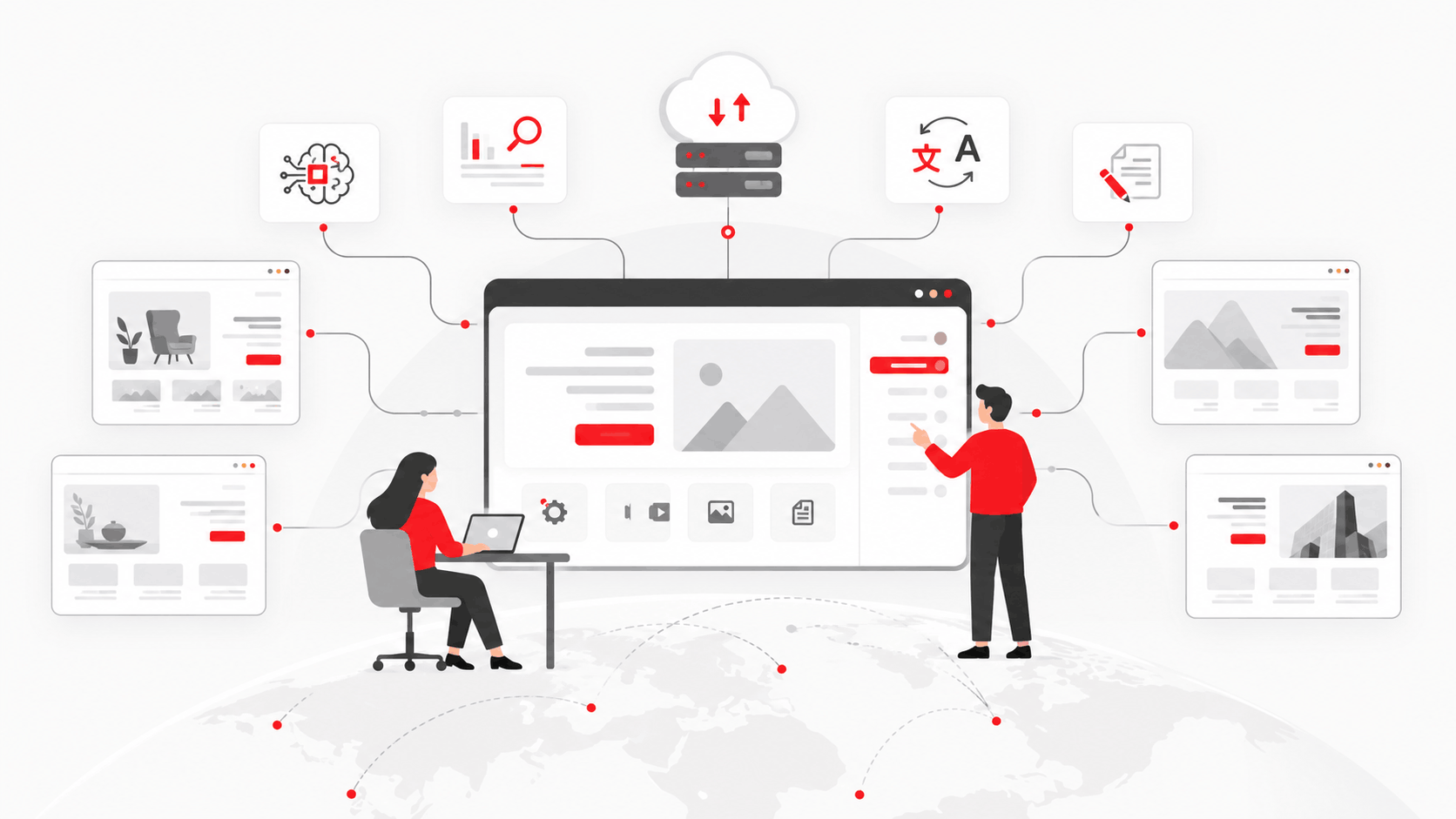
Unified management of a cloud website, local versions, CDN, domains, semantic SEO, and AI capabilities with BasisCloud Web.

A Company Website Should Be More Than a Set of Pages

Infrastructure, content, and future website development should follow one manageable path.

In many companies, hosting, CDN, domains, DNS, content, languages, and website development are managed through separate control panels or different providers. That can create more coordination work and make future changes harder to manage.

BasisCloud Web brings these areas into a managed website architecture. The purpose is not simply to provide hosting. It is to help the company manage its website, content, local versions, and technical foundation as an expandable digital asset.

This approach gives teams a clearer way to:

Manage content, languages, and target-market versions within a structured model.
Include CDN, caching, and optimization in the platform path.
Manage domains, DNS, and subdomains through a more unified technical structure.
Expand the website without turning every new requirement into a disconnected project.
Add approved AI capabilities and semantic SEO within the main website architecture.

Who Is BasisCloud Web For?

Fit depends on the role of your website, your target markets, and your organization’s readiness.

01

Export-Oriented and Multi-Market Companies

For companies whose website supports international product presentation, services, distributors, buyers, partners, or other cross-border business relationships and where local or language-specific versions are relevant.

02

Companies Managing Multiple Languages

For organizations that want to manage languages and market versions in a structured environment instead of maintaining disconnected websites for each audience.

03

Companies Modernizing an Existing Website

For organizations planning a new website, redesign, or migration and wanting to consider hosting, domains, CDN, content, and future development as parts of the same decision.

How Is the Right BasisCloud Web Path Defined?

Start with the current situation and business requirement, then define the appropriate scope.

01

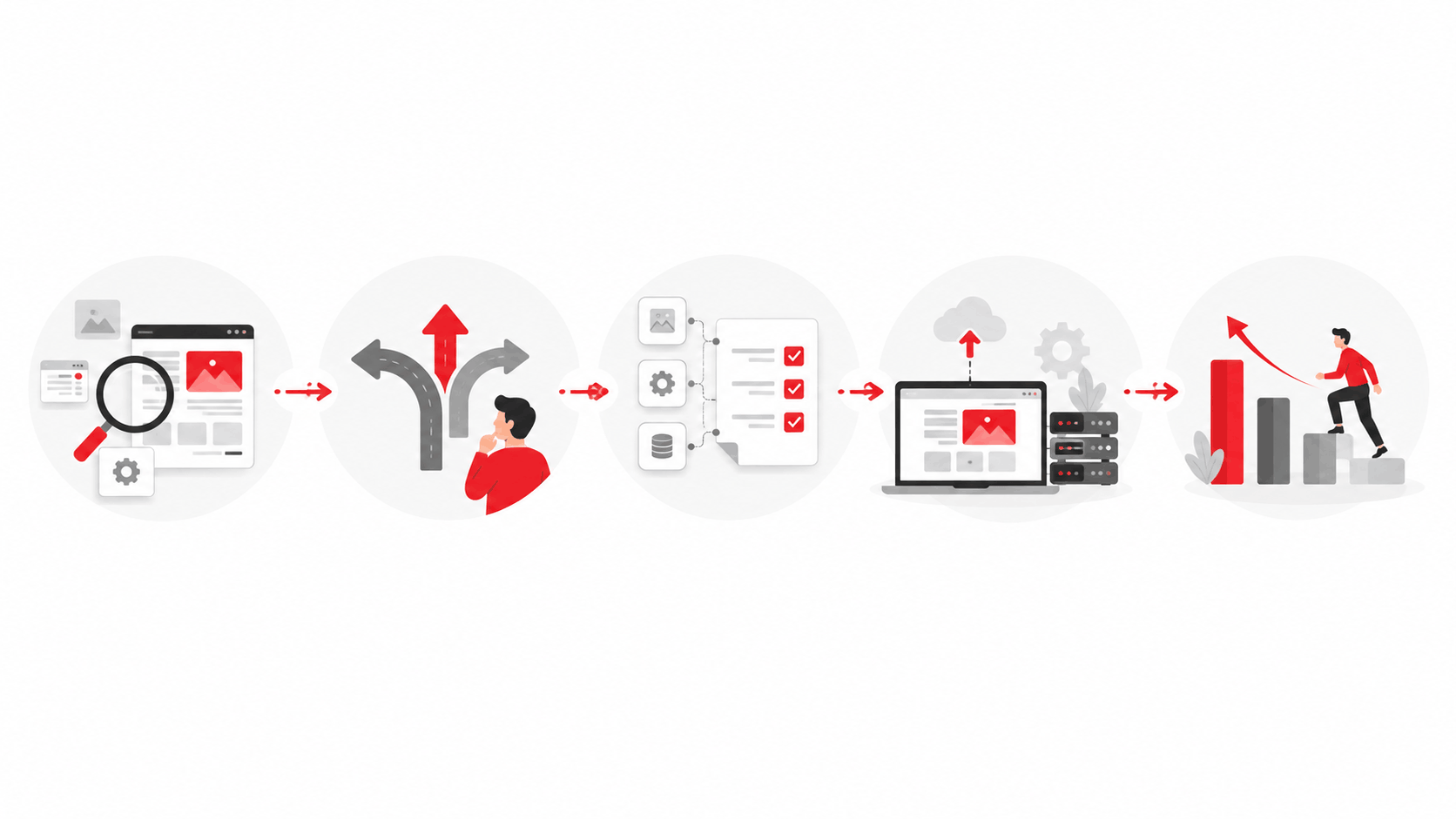
Step 1 - Assess the Current Website

Review the existing website, content, URLs, domains, languages, technical services, and target markets. The purpose is to understand the actual requirement before selecting an implementation path.

02

Step 2 - Choose the Appropriate Path

Based on the assessment, the project may involve a new website, redesign, controlled migration, a local version for a target market, or expansion of the current infrastructure.

03

Step 3 - Define the Scope

Specify the required capabilities, responsibilities, reusable content, and out-of-scope items. Capabilities or commitments outside the approved scope are not assumed.

04

Step 4 - Implement and Review Before Publishing

Prepare the approved components and review the relevant content structure, URLs, domains, website versions, and technical settings before publication.

05

Step 5 - Expand in Stages

Once the actual requirement is clearer, additional capabilities can be introduced within a defined scope. Expansion follows validated needs rather than adding a long list of features in advance.

Five-stage BasisCloud Web process covering current-state assessment, scope definition, implementation, publishing, and staged expansion.
The path for each project depends on the current website and the company’s approved requirements.

Capabilities

Approved BasisCloud Web capabilities for managing and expanding a company website.

Each capability is part of the wider BasisCloud Web architecture. Its exact scope depends on the website, target markets, and the approved service or project configuration.

01

SaaS Hosting

Places website and SaaS hosting within the managed BasisCloud Web path, so infrastructure, publishing, and future website development can be considered as connected decisions rather than separate services.

SaaS Hosting
02

CDN & Caching

Brings CDN and caching into the platform path so website delivery and optimization do not need to be treated as disconnected services. The exact technical scope depends on the approved service configuration.

CDN & Caching
03

International Endpoints

Supports access paths and website versions designed for selected target markets. Each Endpoint depends on the approved architecture and on the relevant version being prepared and synchronized.

International Endpoints

BasisCloud Web Use Cases

The right starting point depends on the current website and the business objective.

01

Modernizing a Company Website

For a company that wants to review its current website structure, hosting, domains, CDN, content, and future development as one coordinated decision.

02

Multilingual and Multi-Market Websites

For a company that needs local or language-specific versions and wants to manage content and market settings within a structured website architecture.

03

AI-Assisted Company Websites

For an organization that wants to use AI-assisted execution and a defined Design System as part of website creation and ongoing development.

04

Migrating an Existing Website

For a company with existing content, URLs, domains, files, and other website assets that need to be assessed before deciding what should be retained, migrated, redesigned, or excluded.

05

Digital Presence for International Markets

For B2B and export-oriented companies whose website supports international product presentation, services, buyer communication, representatives, or business partners.

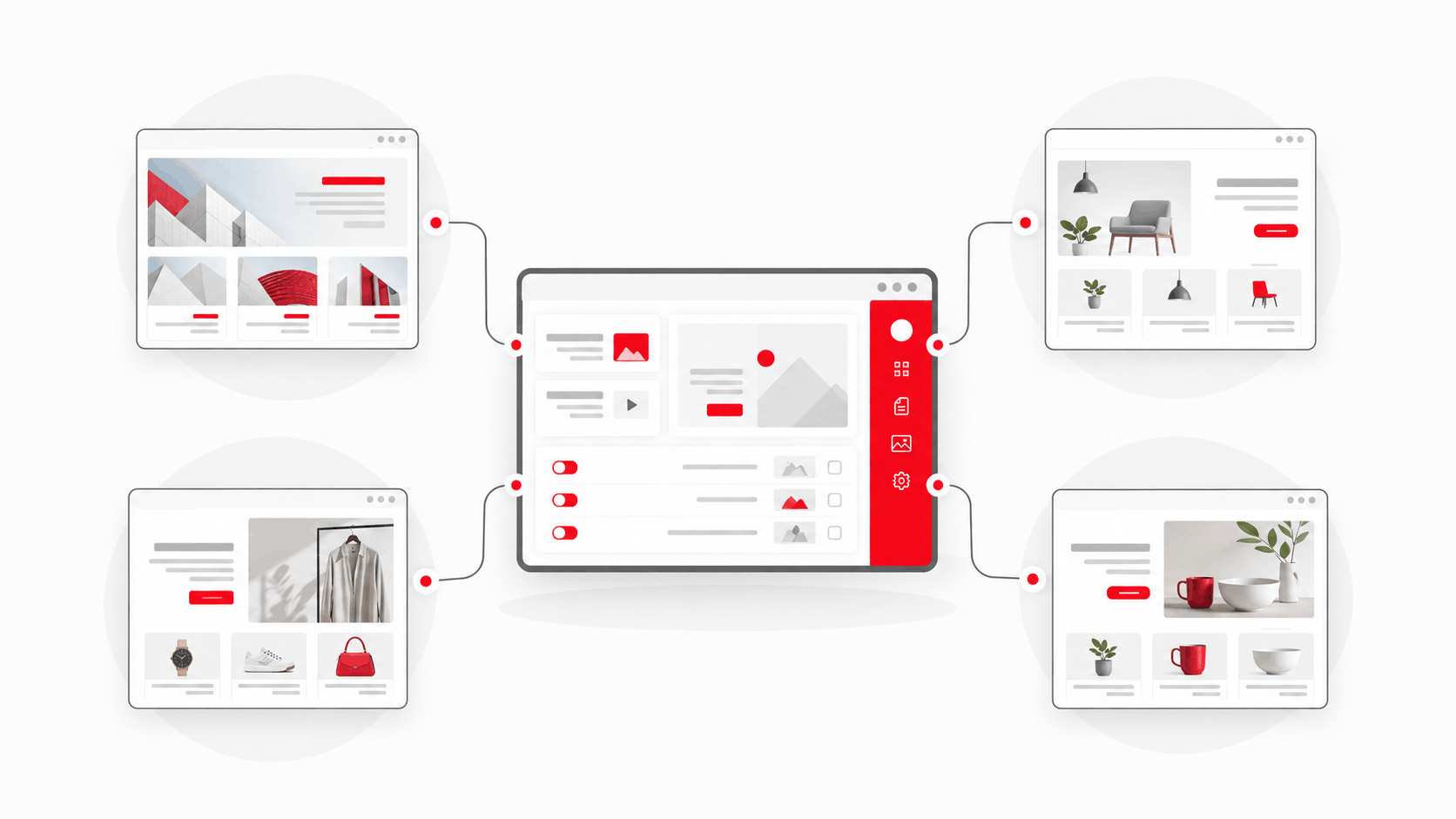
A central website connected to local and language-specific versions within the BasisCloud Web architecture.
Each local version requires appropriate content, configuration, and separate preparation.

What Should Be Clear Before You Decide

The capabilities are defined; their exact scope must still be confirmed for each project.

Capabilities are not assumed to have the same scope in every service configuration or project.
Hosting capacity, CDN scope, caching, support, and other technical service details must come from the applicable official service source.
An International Endpoint or external website version depends on the relevant version being prepared, synchronized, and included in the approved architecture.
Website migration requires an assessment of existing assets and does not mean that every item or setting is transferred automatically.
The role of AI must be defined within the approved project scope.
Semantic SEO and schema markup can strengthen the technical and content structure of a website, but they do not guarantee rankings or search outcomes.
Custom development or connections to other services require a defined scope and an officially supported capability status.
Service levels, access commitments, and performance evidence must be confirmed in the documentation or agreement for the specific project.

Frequently Asked Questions About BasisCloud Web

How is BasisCloud Web different from standard hosting?

Hosting is one part of BasisCloud Web. The product provides a managed path for hosting, publishing, CDN, domains, local versions, and website development, so it should not be understood as hosting alone.

What path is considered for an existing website?

Existing assets such as content, URLs, domains, files, and technical dependencies are reviewed first. The project can then determine what should be retained, migrated, redesigned, or kept outside the scope. The final path is not decided before that assessment.

Migration Assurance

Does BasisCloud Web support local and multilingual website versions?

Local versions, languages, and target-market website management are part of the BasisCloud Web architecture. Each version still requires appropriate content, technical configuration, and separate preparation.

Multi-Market Website & International Access

What role does AI play in BasisCloud Web?

AI can support website creation and development, information structuring, and preparation of project content. The exact role of AI must be defined before implementation and remains within the approved project scope.

AI Website as a Service

Do semantic SEO and schema markup guarantee search rankings?

No. Semantic SEO and structured data can make website content, entities, and relationships clearer to search engines, but rankings and search outcomes depend on multiple factors and are not guaranteed.

Semantic SEO & Schema Markup

Define the Right Website Path Before You Build or Migrate

Review the current website, target markets, languages, domains, and required capabilities so the right scope for building, migration, or staged expansion can be defined.